

Yellow Fungus Disease
Yellow fungus disease is a contagious fungal infection in captive bearded dragons (Pogona vitticeps) and other reptile species. The fungal disease is caused mainly by a species of fungus called Nannizziopsis guarroi (Lock, 2026). This fungus is transmitted through direct contact between reptiles housed together, contaminated fomites such as cleaning equipment or through unhygienic handling (Schilliger et al., 2023). This is not a notifiable disease.
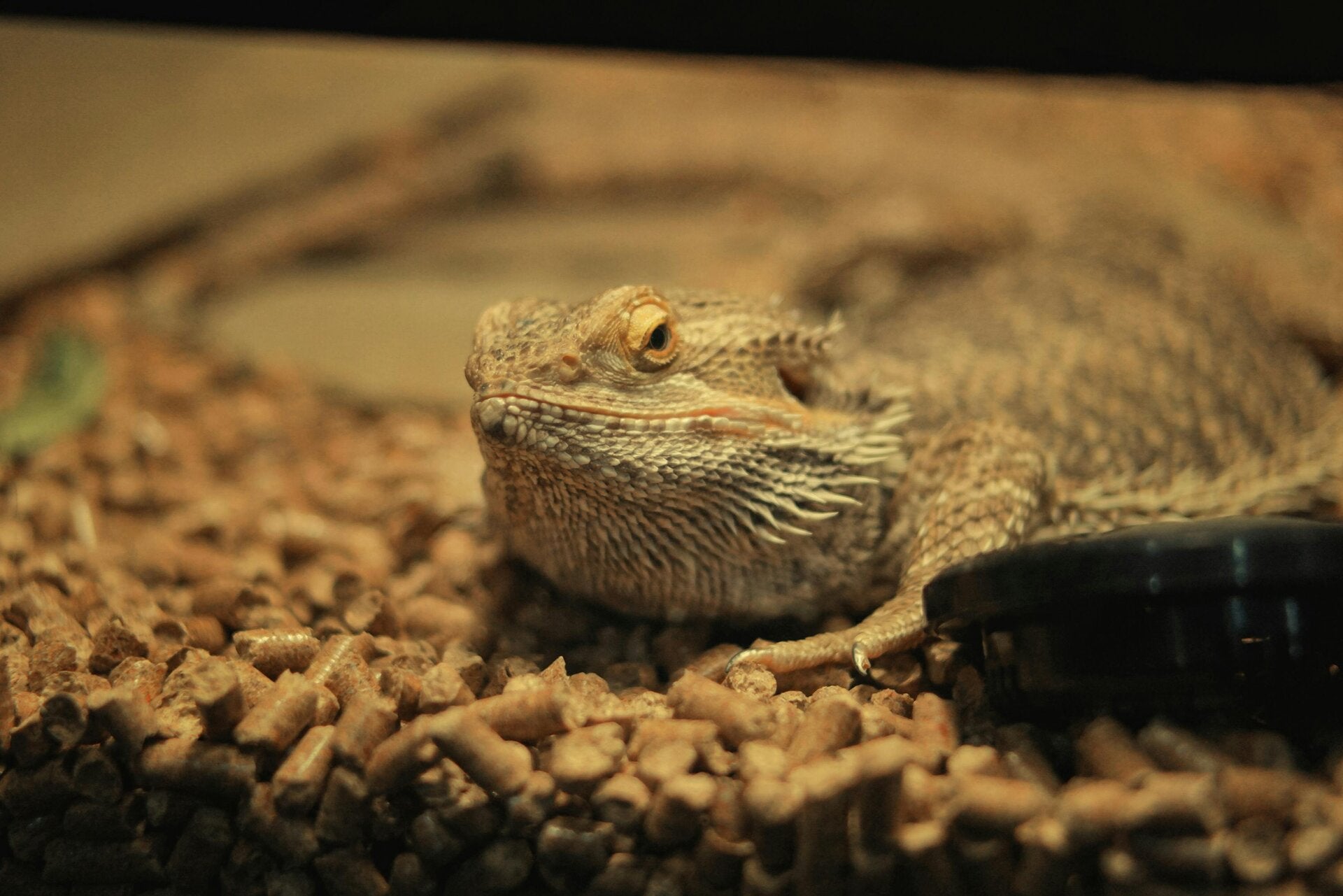
Identification and Diagnosis
Yellow fungus disease can be identified by the chronic crusty lesions over the entire body. These lesions cause the area of skin to discolour to a yellow or brown and then eventually dies causing ulcers (Erles, 2024). The crusty appearance of the lesions is caused by hyperkeratosis which is a defensive mechanism towards the fungus. The fungus is a keratinophilic which means it eats through the keratin in the skin and nails (Keller et al., 2025). Behavioural signs of YFD include lethargy, anorexia, weakness and abnormal aggressive behaviour (Washington State College of Veterinary Medicine, 2026).
Diagnosis for YFD is done through biopsies and testing the skin tissue, skin cultures and PCR testing. This covers all bases for what could be causing the symptoms and finding a definitive answer (Murillo et al., 2022).

Treatment
A typical treatment for YFD would be to use topical antifungals on the affected areas. However, these aren’t always effective on their own (Peterson et al., 2020). This is usually paired with an oral or injectable antifungal such as Voriconazole or Terbinafine. As well as weekly disinfections of the enclosure (Foltin and Keller, 2022). In severe cases, surgical intervention is needed for debridement of the dead infected skin.
The antifungal treatment for YFD is continued for weeks and sometimes months in some cases. This length of use of antifungals and lack of other options for treatment have created new emerging strains of fungi which have become resistant to this line of treatment (Schillinger et al., 2023). This means this line of treatment isn’t sustainable. Another challenge for this treatment is the side effects of long-term use. Using Triazoles for extended periods increase the risk for liver damage severely so limited how long treatment can be carried out for (CDC, 2026).

Prevention and Control
-Quarantine and isolation
When getting a new reptile, quarantining them is very important to avoid any new pathogens being introduced into the enclosures. Once you have a bearded dragon with YFD it is important that if they are housed with another to separate them to avoid infecting each other (Lock, 2026).
-Hygiene
Between handlings make sure that hands are being properly washed and any fomites that may be used between reptiles, such as tongs, are being thoroughly disinfected to avoid transfer of the fungus (Xiaoli et al., 2025)
-Husbandry
It is important that the bearded dragon has its optimal environment so they can thrive and fight the fungus. This means proper temperature, lighting and humidity to encourage the immune system. The entire enclosure needs to be sanitised, avoiding porous enrichment and bedding that cannot be sanitized (O’Malley, 2008).
Create Your Own Website With Webador